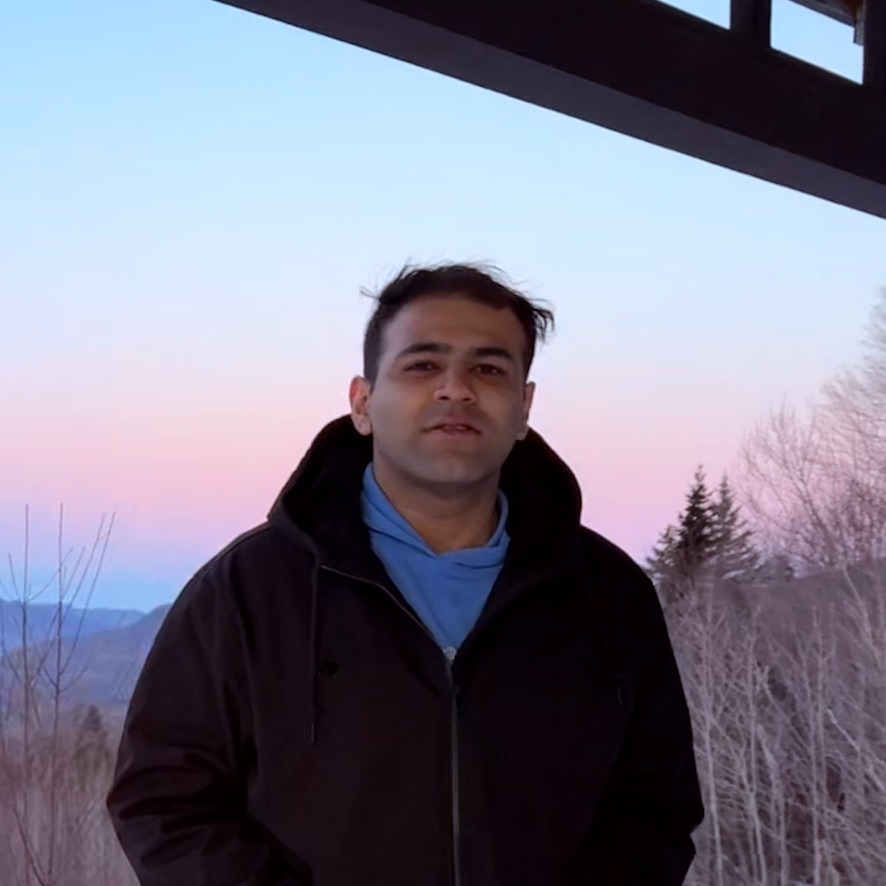
Rohan Bali
I develop machine learning methods for spatio-temporal prediction on complex social and urban systems, using deep learning, network science, and large-scale behavioral data.
M.S. Data Science, UMass Dartmouth · Applying for PhD Fall 2027
Research Interests
My work develops machine learning methods for understanding and forecasting complex social and urban systems. I study settings where spatial structure, temporal dynamics, and network interactions shape system behavior in ways that simple statistical models cannot capture. These problems require deep learning models that are grounded in the structure and constraints of real-world environments.
I build spatio-temporal and graph-based models to analyze cities, elections, mobility networks, and scientific collaboration. These systems are high-dimensional, non-stationary, and only partially observed, so my research integrates neural architectures, network science, and large-scale geospatial data to model how human behavior and infrastructure evolve over space and time.
My broader goal is to develop machine learning methods that are both predictive and interpretable, and to create computational tools that advance research in urban science, political forecasting, and data-driven public policy.
Selected Publications
View All →Neural Time Capsule: Multi-Decadal Urban Growth Prediction via ConvLSTM-based Spatio-Temporal Deep Learning
Rohan Bali
In Preparation (Targeting AAAI 2026 or IJCAI 2026) (2025)
Urban growth forecasting is critical for infrastructure planning, resource allocation, and climate adaptation. We present Neural Time Capsule, a ConvLSTM-based deep learning architecture that predicts multi-decadal urban development patterns using historical satellite imagery. Our dual-channel approach processes both built-up surface density and road network infrastructure to capture spatio-temporal dependencies. Trained on 2,313 tiles spanning 25 years (1975-2000) across diverse U.S. regions, our model achieves 0.000218 MSE and demonstrates 67% improvement over U-Net baselines. The lightweight architecture (470K parameters) trains efficiently on CPU in 6 hours without requiring GPU resources, making it accessible for resource-constrained scenarios.
Projects
View All →Research Projects
Core research contributions in spatio-temporal ML, network science, and computational social systems.
BrainLab OS: Learning from Minimal Data under Distribution Shift
Master's thesis developing theoretical and practical frameworks for robust machine learning under distribution shift and limited supervision. Building neuroanatomically-inspired cognitive architecture that learns efficiently from minimal labeled data across multiple domains.
Key Highlights
- •Developing theoretical foundations for generalization under distribution shift
- •Implementing neuroscience-inspired learning mechanisms for data-efficient training
- •Investigating robustness and adaptation in low-data regimes
Technologies
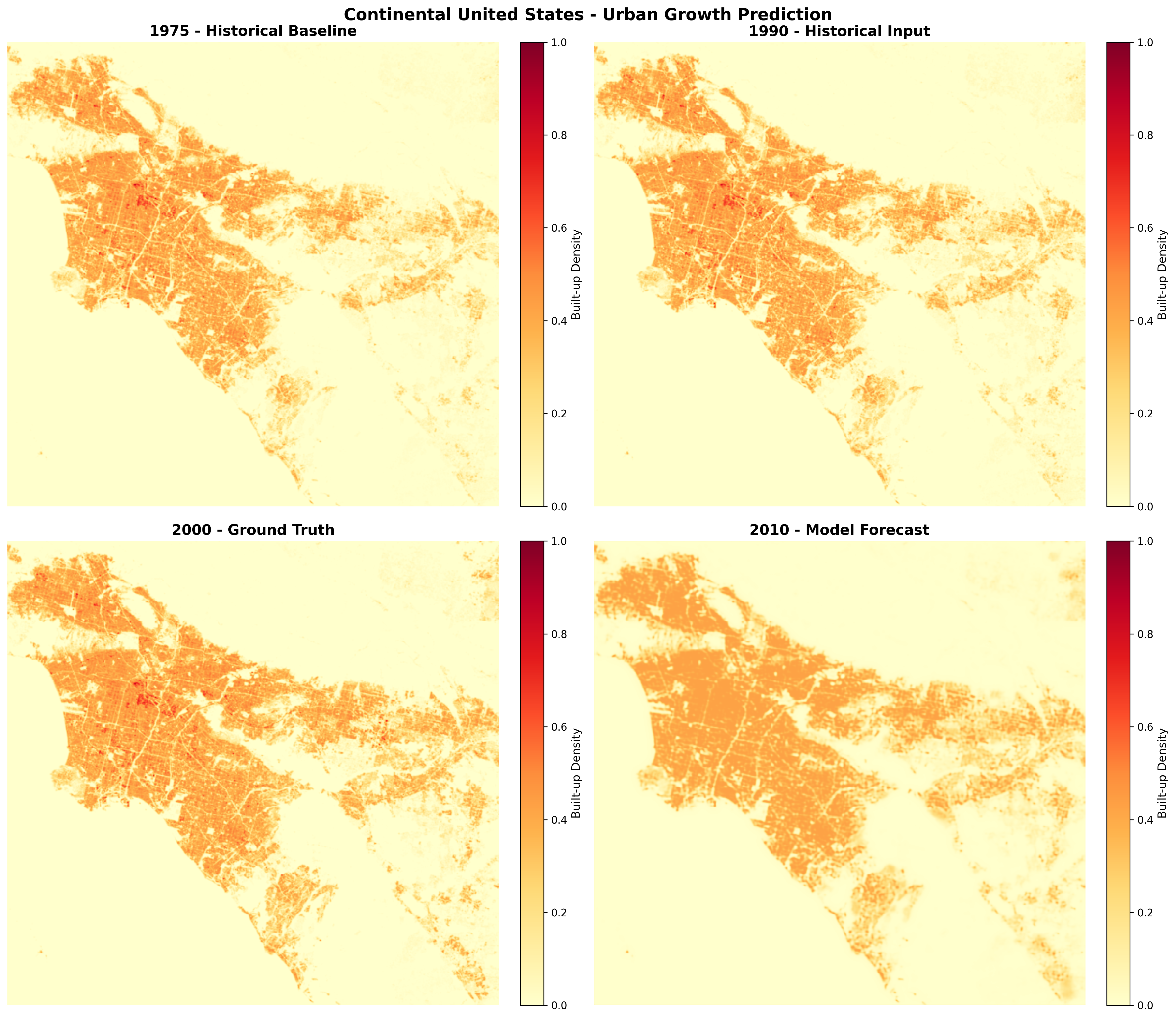
Neural Time Capsule: Urban Growth Prediction
ConvLSTM-based deep learning system for multi-decadal urban expansion forecasting using satellite imagery. Dual-channel architecture processes built-up surface density and road network data to predict city growth patterns 25+ years into the future.
Key Highlights
- •Achieves 0.000218 MSE with 67% improvement over U-Net baseline
- •Trained on 2,313 tiles spanning 1975-2000 across diverse U.S. regions
- •Lightweight 470K parameter model trains in 6 hours on CPU
Technologies
Engineering & Systems Projects
Systems engineering, infrastructure, and applied ML work.
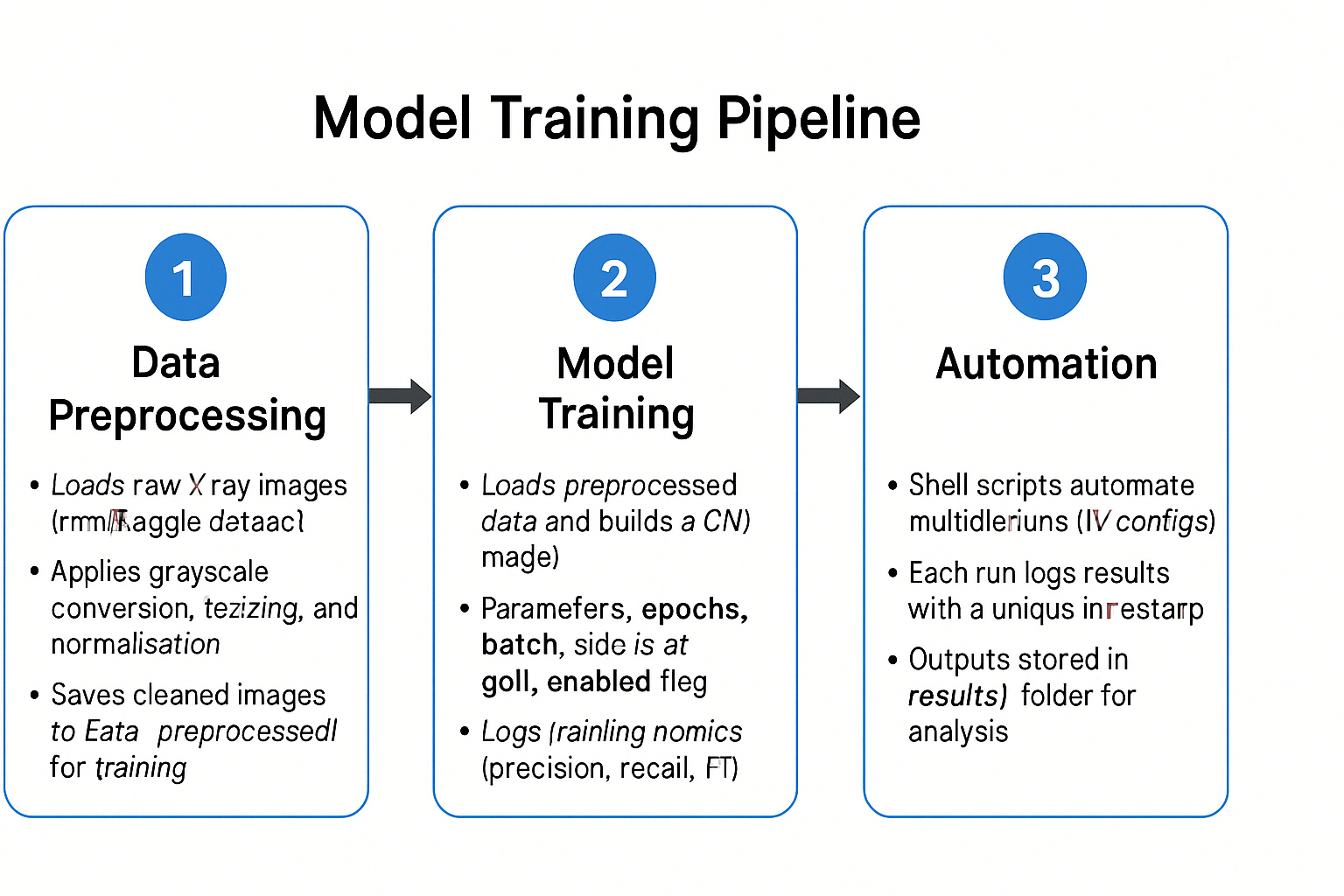
COVID-19 X-Ray Classification with HPC
High-performance computing implementation of CNN-based COVID-19 detection from chest X-rays. Mac-optimized training pipeline leveraging Accelerate framework for efficient model training on Apple Silicon.
Key Highlights
- •CNN architecture for COVID-19 detection from chest X-rays
- •HPC-optimized training pipeline for Mac M-series chips
- •Automated preprocessing and data augmentation
Technologies
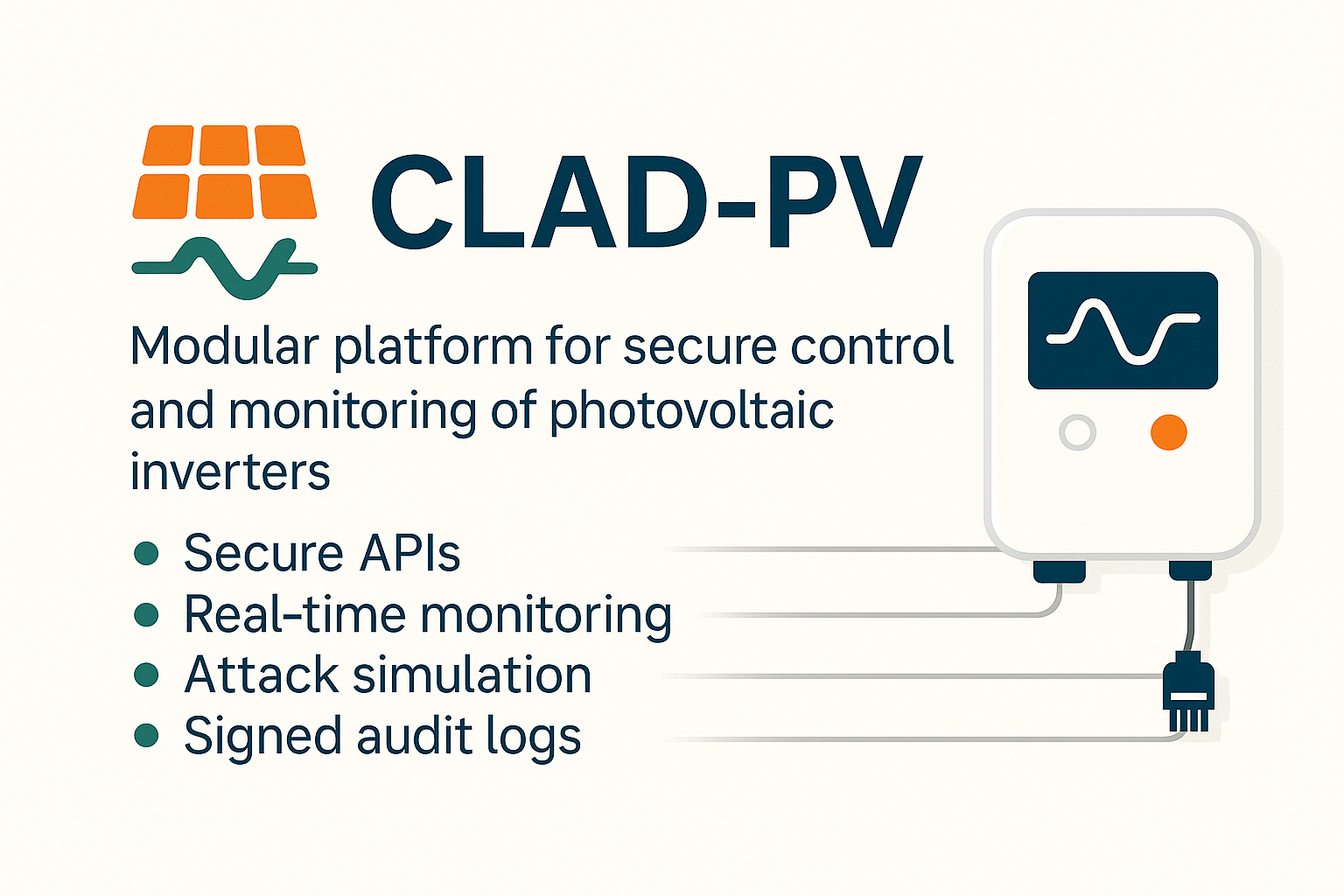
CLAD-PV: Cyber-Physical Security for Solar Systems
Physics-guided intrusion detection system for solar inverter networks using SunSpec/Modbus protocols. Mac-native implementation combines power system physics knowledge with anomaly detection to identify cyberattacks on distributed solar infrastructure.
Key Highlights
- •Physics-guided IDS for solar inverter security
- •SunSpec/Modbus protocol implementation
- •Detects power injection attacks and data manipulation
Technologies
Recent Updates
November 2025
Completed Neural Time Capsule urban growth prediction project with 67% improvement over baseline models
October 2025
Launched Haven AI personal finance assistant with local-first privacy architecture
September 2025
Developed CLAD-PV physics-guided intrusion detection system for solar infrastructure security